1. Article

    JavaScript’s Temporal API: the future of date time handling!

    Reading time: 3 minutes • Posted 2 years ago

    Flux Capacitor

    Ah, the JavaScript Date object. It just doesn't cut it, does it? Working with dates can be daunting or maddening! So rather than using the Date object, we've been resorting to libraries (like moment.js or date-fns) that tackle the complexity for us. We're getting at a comfortable space right now, with the Temporal API!

    It's not widely supported right now (experimental stage), but close to being finalized and adopted by major browsers!


  2. Article

    2024: Year in Review

    Reading time: 11 minutes • Posted 2 years ago
    Fireworks

    Another year draws to a close and while we don't have hover boards or flying cars yet, we're on the brink of 2025 already!

    The Book (continued) 📚

  3. Article

    The Great Shortcut in Software Development

    Reading time: 3 minutes • Posted 2 years ago
    Speed

    In the fast-paced world of software development, why reinvent the wheel when you can just copy-paste someone else’s? We live in a copy-paste culture, where solving problems often means borrowing what already works.

    And that’s exactly what npm packages and tech conference talks have in common. Both are shortcuts. Both exist so you don’t have to reinvent the wheel. Let’s explore how these two seemingly different worlds share the same philosophy of borrowed brilliance.

  4. Tutorial

    Improve your markdown mastery in github

    Posted 2 years ago

    When working on pull requests on github, use the comment system or in text documents in your repository, the text is converted to and displayed as markdown. Here's a couple of tricks you can use to leverage some features for better readability and clear communications when cocreating in github.

  5. Article

    CSS Can Do What Now?!

    Reading time: 3 minutes • Posted 2 years ago
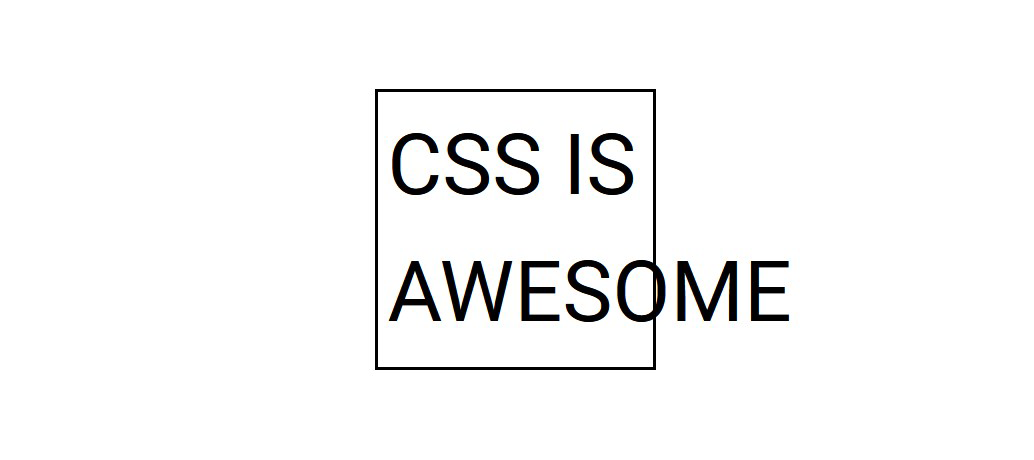
    CSS is Awesome

    We all know the CSS blinds meme, right? Or the CSS is Awesome text that exceeds the box? These seem to appeal to many developers these days, perhaps even more than in the past. We've started leveraging JavaScript or TypeScript-oriented frameworks and features, while relying on Tailwind to help us style our interfaces.

    We've drifted away from one of the main pillars of the web: CSS is not a main focus anymore but an afterthought—something to slap onto a bit of interactive code. Leaning on these frameworks can lead to lower maintenance and more up-to-date knowledge of CSS.

  6. Article

    Thermodynamics and Software Development: Wrangling Entropy and Order in Code

    Reading time: 4 minutes • Posted 2 years ago
    Quantum thermodynamics

    In the wild world of software development, just like in thermodynamics, entropy is always lurking. Understanding these scientific principles can give us some insights into taming and improving our codebases.

    Let’s throw on our lab coats and dive into how the laws of thermodynamics can jazz up our approach to software development! 🧪

  7. Article

    In-Source Tests with Vitest

    Reading time: 5 minutes • Posted 3 years ago
    Four different flasks

    Vue adopted a Single File Component philosophy, which has some benefits over splitting concerns, which you can read up on in the official Vue Docs. From a SFC philosophy, you’d want everything that relates to your component in a Single File. So let’s explore this take with our component tests as well, because why would your tests be any different than your scripts, template or styles?

    We’re going to leverage a feature that Vitest offers, out of the box, to a Vue example code base. Bear in mind that this approach would be applicable to other implementations that leverage Vitest just as easy. Also, this is a thought experiment.